

What You'll Learn
- The theory behind why evening primrose oil may help eczema
- What clinical trials actually show about GLA and atopic dermatitis
- How evening primrose oil compares to topical treatments
- Dosage recommendations used in research studies
- When evening primrose oil may (or may not) be worth trying
Can Evening Primrose Oil Really Help Eczema?
If you've lived with eczema, you know the frustration: the relentless itch, the cracked and inflamed skin, and the endless cycle of flare-ups that seem to follow their own mysterious schedule. You've probably tried countless creams and ointments, and maybe you've wondered if something as simple as an oil supplement could make a difference.
Evening primrose oil (EPO) has been marketed for eczema support for decades, with claims centered on its rich content of gamma-linolenic acid (GLA)—an omega-6 fatty acid that plays a role in skin health and inflammation. But does the science actually support these claims, or is this just another wellness promise that falls apart under scrutiny?
The honest answer is: it's complicated. Some research suggests potential benefits, while other studies have found no significant effect. Let's look at what we actually know and help you make an informed decision.
The GLA Theory: Why EPO Might Help
The theoretical basis for using evening primrose oil in eczema is compelling. People with atopic dermatitis (the medical term for eczema) often have lower levels of GLA in their blood and skin. This deficiency may be due to impaired function of the delta-6-desaturase enzyme, which converts dietary linoleic acid into GLA.
GLA is a precursor to anti-inflammatory prostaglandins—hormone-like substances that help regulate inflammation throughout the body. The theory goes: if you supplement with GLA directly, you bypass this enzymatic bottleneck and provide your body with the raw materials needed to produce these anti-inflammatory compounds.
Enzyme Bypass
GLA supplementation may bypass a potentially impaired enzyme pathway in those with eczema.
Anti-Inflammatory Pathway
GLA converts to DGLA, which produces anti-inflammatory prostaglandin E1 (PGE1).
Skin Barrier Support
Essential fatty acids help maintain skin lipid composition and barrier function.
Immune Modulation
GLA metabolites may help regulate immune response that drives eczema inflammation.
What the Clinical Evidence Actually Shows
Here's where things get nuanced. The research on evening primrose oil for eczema has produced mixed results, and it's important to look at the full picture rather than cherry-picking favorable studies.
Studies showing benefit: Several older trials, particularly from the 1980s and 1990s, reported improvements in eczema symptoms with EPO supplementation. A 1989 study in The Lancet found that EPO reduced eczema severity, itching, and scaling compared to placebo. Some pediatric studies also showed promise.
Studies showing no benefit: However, larger and more rigorous Cochrane reviews have been less enthusiastic. A 2013 systematic review concluded that oral evening primrose oil does not appear to provide meaningful relief for eczema symptoms, and the evidence was of "poor quality."
Research reality: A Cochrane review analyzing 27 studies with over 1,500 participants found no convincing evidence that oral EPO is effective for eczema. However, critics note that study quality varied significantly, and some positive trials may have been underpowered to detect effects.
The disconnect between theory and trial results may come down to several factors: GLA dose, study duration, patient selection (some may respond better than others), and whether participants were actually GLA-deficient to begin with.
Dosage: What Research Studies Used
If you're considering trying EPO for eczema despite the mixed evidence, it's helpful to know what doses were used in the clinical trials—both successful and unsuccessful ones.
Most studies showing positive results used doses on the higher end—around 4-6 grams of EPO daily, providing approximately 320-480mg of GLA. Lower doses may simply not provide enough GLA to make a measurable difference.
Topical vs. Oral: Different Approaches
There's an important distinction between taking evening primrose oil orally and applying it topically to the skin. While most research has focused on oral supplementation, some dermatologists recommend topical application for localized eczema patches.
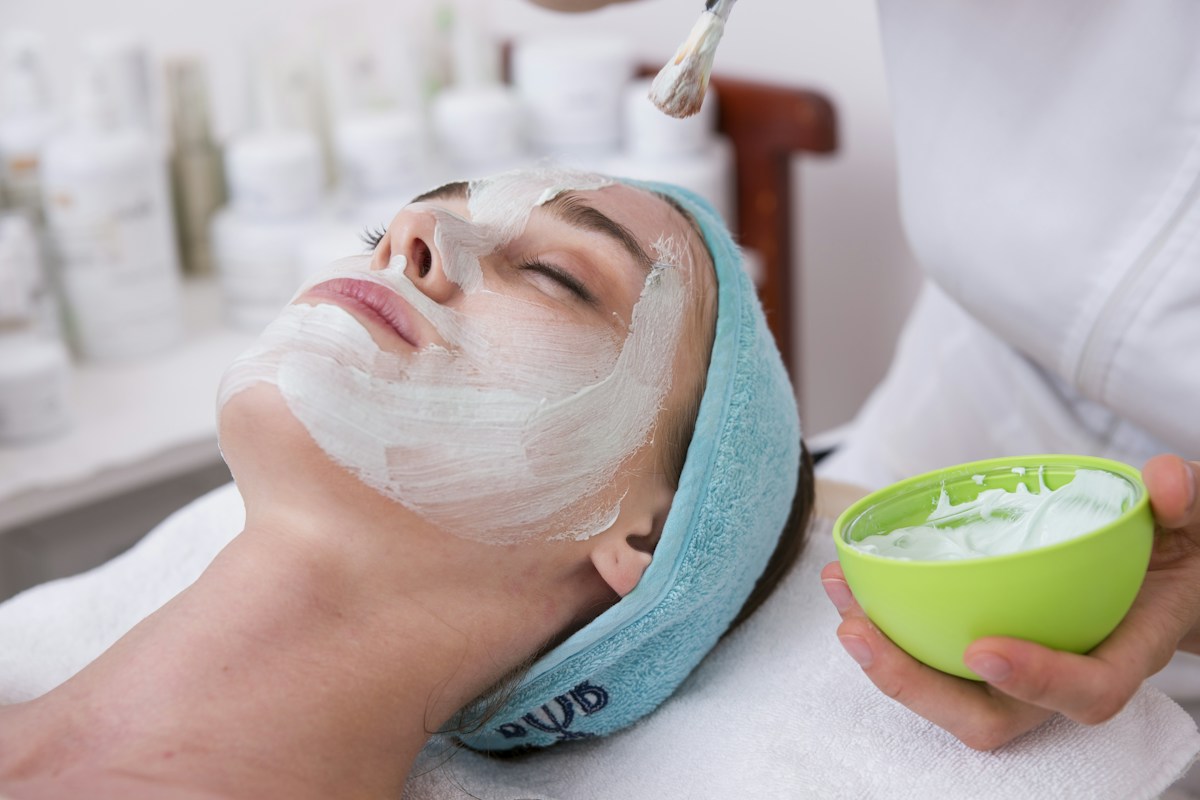
Topical use: Applied directly to affected skin, EPO acts as an emollient, helping to restore moisture and support the skin barrier. The fatty acids in the oil may help soften rough, scaly patches and reduce transepidermal water loss. This approach is generally safe and may provide symptomatic relief even if systemic anti-inflammatory effects are minimal.
Oral supplementation: Taken internally, GLA must be absorbed, metabolized, and incorporated into cell membranes before it can influence inflammation. This process takes time—typically 4-8 weeks before any effect might be noticed—and may explain why short-term studies often show no benefit.
Safety and Potential Side Effects
Evening primrose oil is generally well-tolerated by most people. The most common side effects are mild gastrointestinal symptoms like nausea, soft stools, or stomach upset. These are usually dose-dependent and often resolve by taking EPO with food.
If you're pregnant or breastfeeding, consult your healthcare provider before using EPO supplements. While EPO has been used traditionally during pregnancy, its safety hasn't been definitively established through rigorous clinical trials.
Should You Try It? A Realistic Assessment
Given the mixed evidence, who might reasonably consider trying evening primrose oil for eczema?
May be worth trying if:
• You've already optimized topical treatments and want to try complementary support
• You're interested in addressing potential fatty acid deficiency
• You're willing to commit to at least 8-12 weeks of consistent use at adequate doses
• You understand that results are not guaranteed
Probably not the first line if:
• Your eczema is severe and uncontrolled—work with a dermatologist on proven treatments first
• You're expecting a quick fix—EPO takes months to potentially show effects
• You're on blood thinners or have seizure disorders

Evening primrose oil has a plausible mechanism for supporting eczema through GLA's anti-inflammatory effects, but clinical evidence remains inconclusive. It may be worth trying as a complementary approach—not a replacement for proven treatments. If you decide to try EPO, commit to at least 3 months at a dose providing 320mg+ GLA daily, and keep your expectations realistic. Some people report benefit; others notice nothing. Your dermatologist can help you determine if it fits into your overall eczema management plan.
Frequently Asked Questions
How long does it take for evening primrose oil to help eczema?
Studies that showed positive results typically ran for 8-12 weeks or longer. GLA must be incorporated into cell membranes before it can influence inflammation, so expect at least 2-3 months of consistent use before assessing whether it's helping you.
Can I apply evening primrose oil directly to eczema patches?
Yes, EPO can be used topically as an emollient. It helps moisturize dry skin and may support barrier repair. For topical use, look for pure, cold-pressed evening primrose oil or skincare products containing EPO. Patch test first to ensure no irritation.
Is borage oil better than evening primrose oil for eczema?
Borage oil contains approximately 20-26% GLA compared to EPO's 7-10%, making it a more concentrated source. Some research has used borage oil with similar mixed results. The choice often comes down to personal preference, tolerance, and cost.
Can children take evening primrose oil for eczema?
Some studies have included children, typically using lower doses (1-2g daily). However, given the uncertain evidence and the availability of proven pediatric eczema treatments, it's important to consult a pediatric dermatologist before using EPO supplements in children.
Does evening primrose oil interact with eczema medications?
EPO may interact with blood thinners and medications that lower seizure threshold. It's generally considered compatible with topical steroids and moisturizers, but always inform your dermatologist about any supplements you're taking to ensure safe combination with prescription treatments.


