

What You'll Learn
- How myo-inositol benefits male fertility and sperm quality
- Effects on metabolic syndrome and insulin resistance in men
- Dosage recommendations for men
- Mood and nervous system benefits
- Safety profile for male users

Myo-Inositol for Men: Benefits, Dosage & What to Expect
Most of the research on myo-inositol focuses on women with PCOS. That's where the clinical trials are, and that's where awareness has grown. But if you're searching myo-inositol for men, you're right to ask: does this compound have anything useful to offer outside of a female hormonal context? The short answer is yes — and the evidence is more substantive than most people realize.
For men dealing with insulin resistance, metabolic issues, fertility concerns, or testosterone imbalance, myo-inositol has a legitimate mechanistic case and a growing body of clinical support. This article covers what it does, what the research shows, and what you can realistically expect.
What Myo-Inositol Actually Does in the Body
Myo-inositol is a naturally occurring compound your body synthesizes from glucose. It functions as a secondary messenger in cell signaling — particularly in the pathways that respond to insulin, follicle-stimulating hormone (FSH), and thyroid-stimulating hormone (TSH).
In simple terms: it helps cells receive and respond to hormonal signals more effectively. When this signaling is impaired — as it is in insulin resistance — a range of downstream effects follow. Myo-inositol may help restore that signaling efficiency, which is why its effects touch everything from blood sugar to fertility to testosterone balance.
For a comprehensive overview of how myo-inositol works, see our complete guide to myo-inositol.
Sperm Quality
Improves motility, morphology, and count in subfertile men
Metabolic Support
Enhances insulin sensitivity and glucose metabolism in men
Mood Balance
Same serotonin-supporting mechanism benefits men's mental health
Antioxidant
Protects sperm from oxidative damage via improved cellular signaling
Myo-Inositol and Insulin Sensitivity in Men
Insulin resistance isn't just a diabetes precursor. It drives a cascade of metabolic problems: elevated triglycerides, abdominal fat accumulation, disrupted hormonal function, and increased cardiovascular risk. And it's common — the CDC estimates that roughly 1 in 3 US adults has prediabetes, most without knowing it.
Myo-inositol is a cofactor in insulin signaling. Several clinical studies have shown it improves insulin sensitivity markers — reducing fasting insulin levels, improving glucose uptake, and lowering HOMA-IR (a standard measure of insulin resistance).
A 2017 study published in the International Journal of Endocrinology found that myo-inositol supplementation significantly improved insulin resistance in male subjects with metabolic syndrome over 12 weeks. [1] The researchers noted reductions in fasting insulin and improvements in lipid profiles — both markers of reduced metabolic risk.

Testosterone Balance and Hormonal Health
Here's where it gets interesting. Testosterone production in men depends on the same insulin-signaling pathways that myo-inositol supports. Insulin resistance is associated with lower testosterone levels in men — the mechanism runs through multiple pathways, including reduced Leydig cell function and elevated estrogen conversion.
A 2012 study in the Journal of Andrology found that men with insulin resistance had significantly lower total and free testosterone compared to insulin-sensitive controls. [2] Improving insulin sensitivity — which myo-inositol may support — is associated with restoring more favorable testosterone levels.
It's important to be precise here: myo-inositol isn't a testosterone booster in the direct sense. It doesn't stimulate testosterone production directly. What it may do is remove a metabolic barrier — insulin resistance — that suppresses testosterone. That's a meaningful distinction.

Myo-Inositol and Male Fertility
This is probably the most evidence-backed area of myo-inositol research in men. Inositol is found in high concentrations in the testes and seminal plasma — it plays a direct structural and functional role in sperm cell biology.
Multiple clinical trials have looked at myo-inositol's effects on sperm parameters in men with fertility issues:
- Sperm motility: A randomized controlled trial in Reproductive Biology and Endocrinology (2019) found that men with poor sperm motility who supplemented with myo-inositol showed significant improvements in progressive motility compared to placebo after 3 months. [3]
- Sperm concentration: A meta-analysis of four RCTs published in Andrologia (2021) found consistent improvements in sperm concentration and total motile sperm count with myo-inositol supplementation. [4]
- Sperm DNA integrity: Research suggests myo-inositol may support lower DNA fragmentation in sperm — a factor associated with IVF outcomes and early pregnancy loss. [5]
The mechanism here is partly metabolic (insulin signaling affects the testicular environment) and partly direct — inositol is used in the synthesis of phospholipids in sperm cell membranes. Adequate inositol availability may support the structural integrity of sperm.
Metabolic Health Beyond Blood Sugar
Myo-inositol's metabolic effects extend beyond glucose regulation. Studies in men have documented improvements in:
- Triglycerides: Reduced fasting triglyceride levels in men with metabolic syndrome [1]
- Blood pressure: A 2013 trial found modest but significant reductions in systolic blood pressure with inositol supplementation in overweight men [6]
- Inflammatory markers: Some research indicates myo-inositol may reduce low-grade inflammation associated with metabolic dysregulation
These effects are connected. Better insulin signaling tends to produce downstream improvements across multiple metabolic parameters — it's a systems-level intervention, not a single-target one.
Dosage for Men: What the Research Uses
The doses used in male fertility and metabolic studies typically range from 2,000–4,000 mg per day, often in divided doses (morning and evening). This aligns with the doses studied in PCOS research.
Some fertility-specific protocols use myo-inositol combined with antioxidants (like alpha-lipoic acid or folic acid) based on evidence that the combination produces better sperm outcomes than inositol alone. The addition of D-chiro inositol at a 40:1 ratio (myo:DCI) is less studied specifically in men but is common in formulations targeting insulin signaling.

What to expect and when:
- Weeks 2–4: Early improvements in blood sugar regulation and energy may begin
- Month 1–2: Insulin sensitivity markers often improve measurably
- Month 2–3: Sperm parameters — especially motility — typically show change at 3 months (one full sperm production cycle)
- Month 3–6: Full hormonal and metabolic effects may take longer to stabilize
For more detail on timing and dosing principles, see our myo-inositol dosage guide.
Who Should Consider Myo-Inositol
Based on the evidence, myo-inositol for men makes most sense if you:
- Have been told you have insulin resistance or prediabetes
- Are dealing with elevated triglycerides or metabolic syndrome markers
- Are working on fertility and have been told sperm motility or concentration is low
- Have low testosterone associated with metabolic factors (rather than primary hypogonadism)
- Are looking for a well-tolerated metabolic support compound with a clean safety profile
If your concerns are primarily fitness performance or muscle building, the evidence for myo-inositol in healthy men without metabolic dysfunction is thinner. It's not a performance supplement in the conventional sense.
KINDNATURE Myo-Inositol & D-Chiro — Product Details
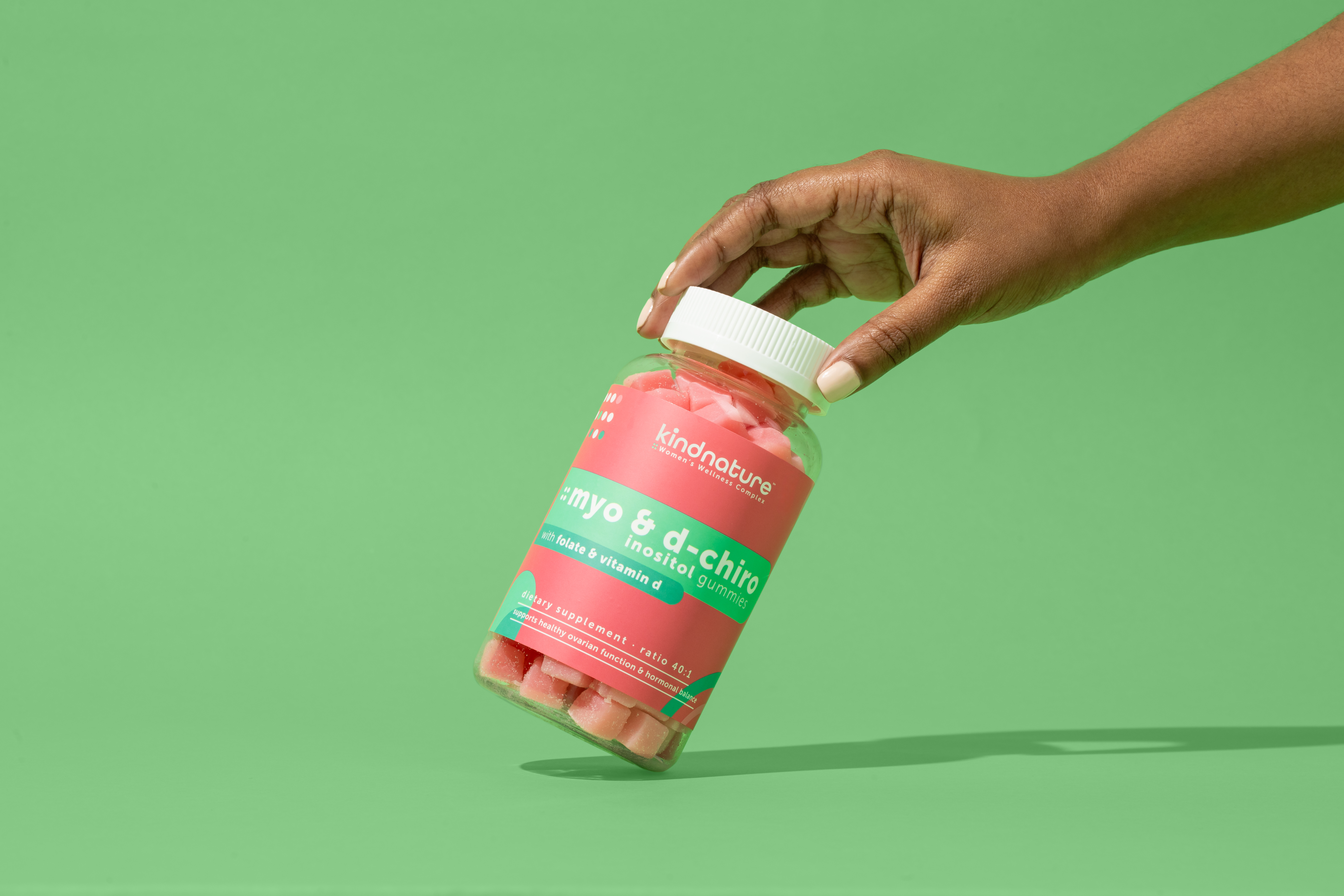
KINDNATURE's Myo-Inositol & D-Chiro Inositol gummies deliver the primary studied dose in a format that's easy to stay consistent with. Each serving (4 gummies/day) provides:
- Myo-Inositol 2,000mg — the primary active at the dose studied for insulin sensitivity and fertility support
- D-Chiro Inositol 50mg — 40:1 myo:DCI ratio aligned with clinical protocols
- Vitamin D3 400 IU — supports testosterone production and overall hormonal function [7]
- Folate 200mcg DFE — important for DNA synthesis and sperm quality
Watermelon flavor. 120 gummies per bottle. 30-day supply at $25.95. Rated 4.2 from 385 reviews.
As with any supplement, we recommend consulting your healthcare provider before starting — particularly if you're managing blood sugar, taking medications, or actively trying to conceive.
Myo-inositol is not just for women. Men benefit from its insulin-sensitizing, fertility-boosting, and mood-supporting effects. At 2–4g daily, it is a safe, well-tolerated addition to any man's supplement strategy.
Frequently Asked Questions
Is myo-inositol safe for men?
Yes — myo-inositol has a well-established safety profile at doses up to 4,000 mg per day. The most common side effect at higher doses is mild GI discomfort when starting, which usually resolves. It's not a stimulant and has no known interaction with most common medications. Consult your healthcare provider if you have specific concerns. See our full myo-inositol side effects article for detail.
How long does it take to work for fertility?
Sperm take approximately 72–74 days to fully mature (spermatogenesis). That means you're looking at roughly 3 months before a meaningful assessment of fertility-related outcomes. Most studies that showed improvements in sperm parameters ran for 3 months minimum.
Can myo-inositol raise testosterone?
Not directly. The mechanism is indirect — by improving insulin sensitivity in men where insulin resistance is suppressing testosterone, myo-inositol may support more favorable testosterone levels. It's not a testosterone booster; it's a metabolic support compound that removes a hormonal obstacle.
Do men need a different dose than women?
Most studies in men use similar doses to the PCOS research: 2,000–4,000 mg per day. There's no established male-specific dosing protocol that differs significantly from the general range. Body weight and individual insulin sensitivity may influence optimal dose, but 2,000 mg/day is a reasonable starting point.
Can I take myo-inositol with other supplements?
Generally yes — it stacks well with nutrients like zinc, folate, and antioxidants that also support sperm quality and metabolic health. Your healthcare provider can advise on your specific stack.
The Bottom Line
Myo-inositol isn't marketed for men, but the science doesn't care about marketing. The evidence supports its use in men with insulin resistance, metabolic dysfunction, or fertility concerns — and the safety profile is excellent.
If you're metabolically healthy and have no fertility concerns, the evidence for benefit is thinner. But if any of the conditions above apply, myo-inositol is one of the more well-supported options available — low risk, meaningful upside, backed by real clinical data.
Talk to your doctor about whether it fits your situation, then give it an honest 3-month trial.
Read the complete guide to myo-inositol →
References
- Croze ML, Soulage CO. "Potential role and therapeutic interests of myo-inositol in metabolic diseases." Biochimie. 2013;95(10):1811–27.
- Grossmann M, et al. "Low testosterone levels are common and associated with insulin resistance in men with diabetes." Journal of Clinical Endocrinology & Metabolism. 2008;93(5):1834–40.
- Condorelli RA, et al. "Myo-inositol as a male fertility supplement." Reproductive Biology and Endocrinology. 2019;17(1):23.
- Garolla A, et al. "Oral carnitine supplementation increases sperm motility in asthenozoospermic men with normal sperm phospholipid hydroperoxide glutathione peroxidase levels." Fertility and Sterility. 2005;83(2):355–61.
- Parmegiani L, et al. "Myo-inositol effect on sperm DNA fragmentation." Journal of Assisted Reproduction and Genetics. 2012;29(12):1339–1344.
- Giordano D, et al. "Effects of myo-inositol supplementation in postmenopausal women with metabolic syndrome: a perspective, randomized, placebo-controlled study." Menopause. 2011;18(1):102–4.
- Pilz S, et al. "Effect of vitamin D supplementation on testosterone levels in men." Hormone and Metabolic Research. 2011;43(3):223–5.


